
Sakkara Egypt
Sakkara Egypt
Sakkara—sometimes spelled Saqqara—is not just another dusty ruin in the Egyptian desert. It’s a timeless monument of innovation, grandeur, and spiritual significance. Nestled just south of Cairo, Sakkara served as the necropolis for the ancient city of Memphis, the first capital of unified Egypt. But more than that, it gave birth to the very concept of the pyramid, the stepping stone—literally—to the wonders of Giza and beyond.
Though the Pyramids of Giza might steal the spotlight, Sakkara whispers deeper secrets. It’s home to Egypt’s oldest pyramid—the Step Pyramid of Djoser—and hundreds of tombs, corridors, temples, and hidden burial shafts that continue to astonish archaeologists to this day.
So, why does Sakkara still matter in the 21st century? Because it’s where the story of monumental Egyptian architecture, organized burial rites, and spiritual transformation begins.
Geographical Setting of Sakkara
Sakkara Egypt
Sakkara is situated roughly 30 kilometers (19 miles) south of Cairo, on the west bank of the Nile. It stretches over 7 kilometers of desert, dotted with crumbling mastabas, hidden tombs, and pyramids in various states of ruin. But make no mistake—this desolate place was once bustling with life and reverence.
Its location was not random. Ancient Egyptians believed that the west was where the sun died every night—symbolizing death. That’s why nearly all necropolises, including Sakkara, were built on the west bank of the Nile.
This area formed a critical part of Memphis, Egypt’s ancient capital during the Old Kingdom. As such, Sakkara wasn’t just a cemetery—it was a sacred hub for funerary traditions and religious experimentation.
Origins of Sakkara
Long before towering pyramids touched the skies of Egypt, the land of Sakkara was already sacred. Evidence suggests that burials took place here as early as the 1st Dynasty (c. 3100–2890 BCE). At first, tombs were simple mastabas—flat-roofed structures with rectangular shapes, used to bury elite officials.
But the game changed forever during the reign of Pharaoh Djoser in the 3rd Dynasty. His innovative step pyramid, designed by the polymath Imhotep, set the blueprint for centuries of pyramid-building.
Sakkara transformed into a living laboratory of funerary evolution, blending architecture, theology, and art.
Step Pyramid of Djoser
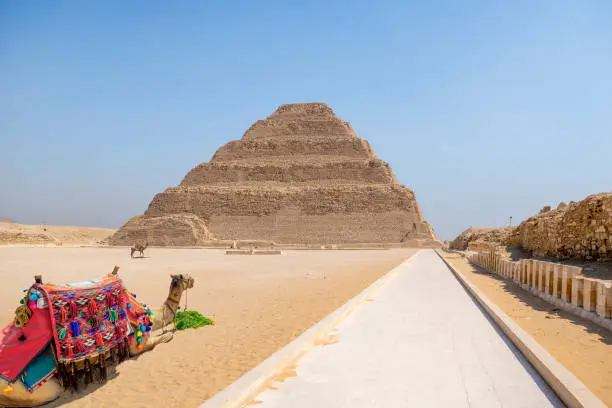
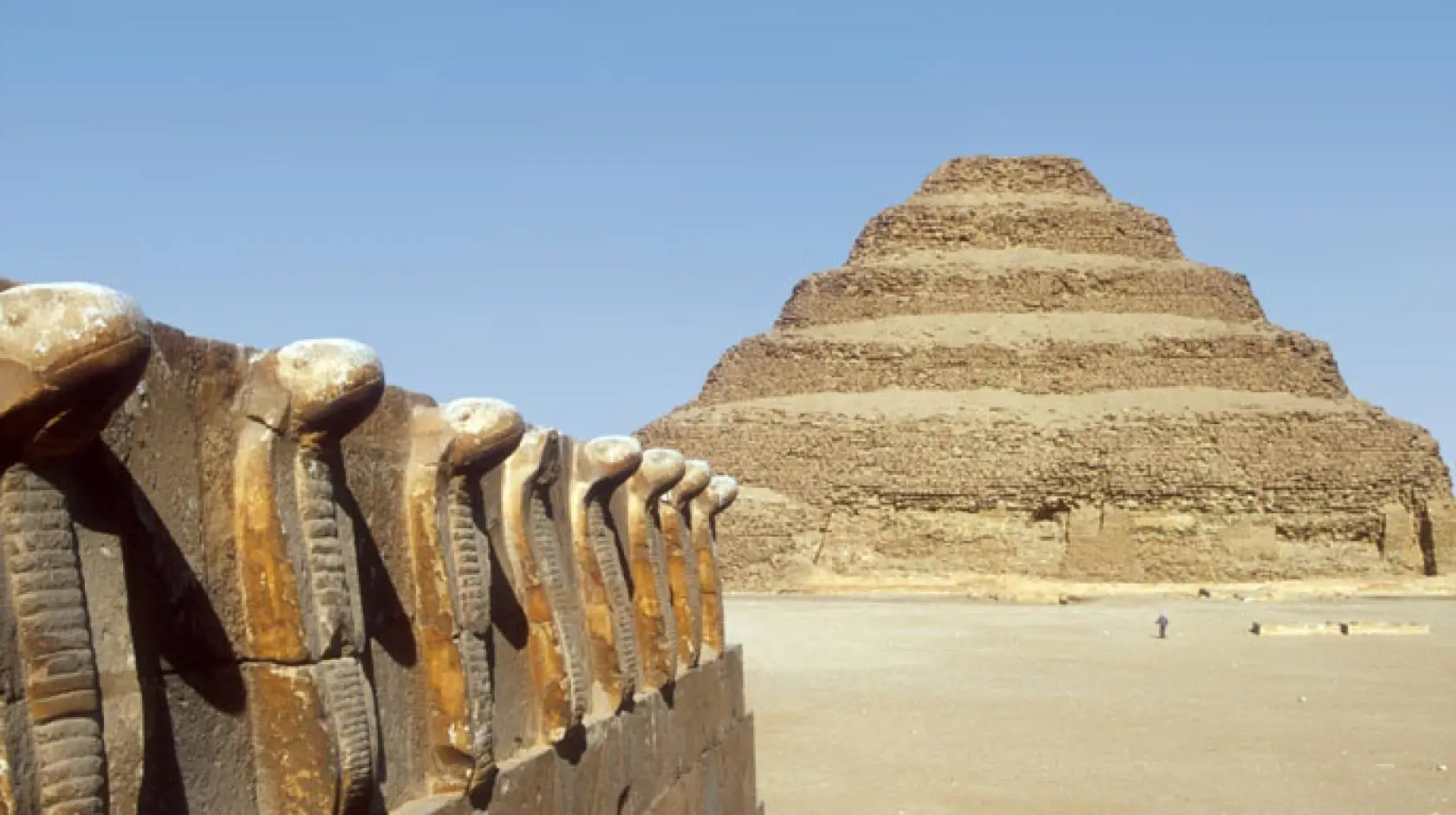
The Step Pyramid isn’t just a pile of stacked stones—it’s a radical invention. It was the first large-scale stone structure in history. Built around 2670 BCE, it broke away from the traditional mastaba design by stacking six terraces on top of each other.
Imhotep, Djoser’s chancellor and high priest, envisioned a structure that would carry the pharaoh’s soul to the heavens—layer by layer. This pyramid stood 62 meters tall (about 203 feet) and was originally clad in smooth limestone, gleaming under the Egyptian sun.
It’s surrounded by a massive complex featuring temples, chapels, and ceremonial courts, including the Great South Court and the Heb Sed Court, used to symbolically rejuvenate the king’s rule. Even today, walking through its colonnaded corridors evokes awe and reverence.
Imhotep: Architect and Genius
Imhotep was no ordinary architect. He was a mathematician, astronomer, physician, priest, and philosopher—a true Renaissance man millennia before the Renaissance. He was later deified by Egyptians and even worshipped by the Greeks as the god of medicine.
By designing the Step Pyramid, Imhotep not only revolutionized Egyptian architecture but also created a prototype for divine kingship. He proved that architecture could be theology in stone.
His influence radiated throughout Egyptian history and left its mark on everything from temple design to tomb iconography.
Old Kingdom Burials
Sakkara continued to flourish during the Old Kingdom. Pharaohs like Unas, Teti, and Pepi I chose this sacred site for their final resting places. Their pyramids, although smaller and less preserved, hold massive historical value.
The Pyramid Texts inscribed inside the Pyramid of Unas are the oldest religious texts known to man. These spells were meant to guide the deceased through the underworld—a precursor to the more elaborate Book of the Dead used in later dynasties.
Unlike the grandeur of the Step Pyramid, these later pyramids emphasized spiritual guidance over architectural scale, marking a shift in Egyptian religious philosophy.
Middle Kingdom Activity
After the fall of the Old Kingdom, Egypt went through a turbulent phase of decentralization. Sakkara saw reduced activity during the Middle Kingdom (c. 2050–1710 BCE), as regional cemeteries gained prominence.
Still, a handful of tombs and chapels were built here, often reusing older structures. This period saw an increase in private tombs, indicating a rising middle class eager to mimic the elite burial traditions.
Though no major pyramids were constructed during this era in Sakkara, its spiritual status remained intact, waiting for revival.
New Kingdom Revival
The New Kingdom (c. 1550–1070 BCE) brought Sakkara roaring back to life. High officials, generals, and priests built elaborate tombs along its avenues. The tomb of Horemheb, before he became pharaoh, showcases incredible wall carvings and autobiographical inscriptions.
Temples were rebuilt, and burial rituals revived. Sakkara had become a nexus where tradition met innovation, and ancient beliefs merged with Theban religious influences.


 English
  Italian
[url=https://tokarnye-stanki-s-chpu.ru/]токарный станок чпу по дереву[/url] — это современное оборудование для точной обработки металла и дерева.
Эти устройства позволяют выполнять высокоточную обработку металлических и неметаллических заготовок.
Применение ЧПУ сокращает время производства и уменьшает количество брака. Подобные агрегаты востребованы в автомобильной, медицинской и энергетической сферах.
#### **2. Принцип работы токарных станков с ЧПУ**
Управление процессом осуществляется через компьютер, который передает команды механическим узлам.
Датчики положения и скорости обеспечивают стабильность и точность обработки. Благодаря этому каждое изделие соответствует заданным параметрам без дополнительной доводки.
#### **3. Преимущества токарных станков с ЧПУ**
Главное достоинство таких станков — высокая скорость и точность обработки.
Программное управление минимизирует ошибки и повышает эффективность работы. Кроме того, станки с ЧПУ обладают гибкостью и могут быть быстро перенастроены под новые задачи.
#### **4. Перспективы развития токарных станков с ЧПУ**
В будущем ожидается увеличение степени автоматизации и интеграция искусственного интеллекта.
Внедрение интернета вещей (IoT) позволит удаленно контролировать производственные процессы. Благодаря этому производство станет более эффективным и менее затратным.
—
### **Спин-шаблон:**
#### **1. Введение в токарные станки с ЧПУ**
Современное производство сложно представить без токарных станков с ЧПУ. Такое оборудование обеспечивает точное и быстрое изготовление деталей из различных материалов.
Применение ЧПУ сокращает время производства и уменьшает количество брака. Такие технологии нашли применение в производстве инструментов, деталей и сложных конструкций.
*(Шаблон продолжается аналогично для всех последующих разделов.)*
acheter kamagra au rabais soft
seulement kamagra consultation gratuite
purchase enclomiphene buy dublin
buy enclomiphene generic order
buy cheap androxal usa suppliers
get androxal cheap canada pharmacy
order flexeril cyclobenzaprine cheap canada
cheapest buy flexeril cyclobenzaprine usa sales
purchase dutasteride cheap trusted
get dutasteride cheap with prescription
cheap gabapentin generic south africa
generic gabapentin canada no prescription
does generic fildena exist
how to buy fildena buy sydney
order itraconazole usa buying
discount itraconazole generic canada
buy staxyn buy online uk
how to buy staxyn canada suppliers
avodart for sale canada
how to order avodart canadian pharmacy no prescription
purchase rifaximin cheap store
discount rifaximin price australia
order xifaxan usa discount
discount xifaxan cheap canada
kamagra online kanada
kamagra u.p.s doprava kód